Heat Pumps in Ontario: How They Work and Are They Right for Your Home?
Heat pumps in Ontario can heat your home in winter, cool it in summer, and cut use of fuel heat when the system fits the house and local climate. The right system depends on insulation, ductwork, electrical capacity, current fuel, comfort goals, and rebate options. This guide explains how heat pumps work, when they make sense, what drives heat pump costs, and how to plan a heat pump installation without being sold the wrong system.
Are heat pumps worth it in Ontario?
Heat pumps are often worth it in Ontario when the system is sized well, installed by a qualified contractor, and matched to the home’s heating load. They are a strong fit for homes heated by electricity, oil, or propane, and for owners who also want air conditioning.
Natural Resources Canada says air-source heat pumps are the most common type in Canada. Cold climate models are built for harsher conditions and can reach efficiencies up to three times higher than an oil furnace or boiler under the right conditions. (natural-resources.canada.ca)
The answer is not the same for every home. An old house with poor insulation may need upgrades before a heat pump can provide efficient heating. A natural gas home may experience a different payback compared to an electrically heated or oil-heated home due to utility rates, backup heat usage, and system control.
The real question is not just ‘Are heat pumps worth it in Ontario?’ It is ‘Will this heat pump cover enough of my home’s heating and cooling needs to justify the installed cost?’
Key takeaways for Ontario homeowners:
- Cold climate performance matters. Look for systems built for low outdoor temperatures, not just cooling-focused units.
- Sizing is critical. An undersized system may lean too much on backup heat; an oversized system may short-cycle and feel less comfortable.
- Your current fuel changes the math. Homes powered by oil, propane, electric resistance, and natural gas can have significantly different savings potential.
- Rebates may help, but they change. As of October 2026, Ontario’s Home Renovation Savings program lists rebates for eligible cold climate air-source and ground-source heat pumps, but homeowners should confirm eligibility. (homerenovationsavings.ca)
- Installation quality matters as much as equipment choice. The best heat pumps perform poorly if airflow, refrigerant charge, controls, or ductwork are wrong.
How heat pumps work
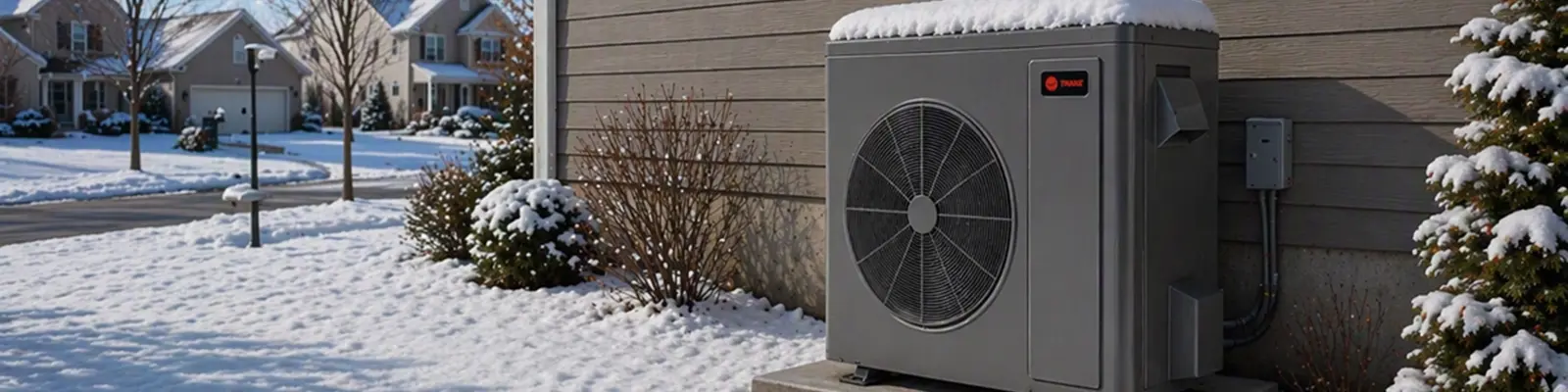
A heat pump moves heat instead of creating it by burning fuel. In heating mode, it pulls heat from outside air or the ground and moves it indoors. In cooling mode, it does the reverse and sends heat outdoors. Natural Resources Canada says a heat pump uses electrical energy to move heat against its natural flow, which is why one system can provide both heating and cooling. (natural-resources.canada.ca)
This is the same basic cooling cycle used by an air conditioner, but a heat pump can run in both directions. The outdoor unit, indoor coil or air handler, refrigerant lines, compressor, expansion device, and controls all work together. When the system is designed well, it delivers steady heat at lower supply-air temperatures than a furnace. That can feel different at first, but it often gives more even comfort.
Air-source heat pumps
Air-source heat pumps draw heat from outdoor air. They are popular because many existing homes can install them and they may use either ducted or ductless indoor equipment. Standard air-source systems can work well in shoulder seasons, while cold climate air-source heat pumps are built to keep more heating capacity as outdoor temperatures drop.
For many Ontario homes, a cold climate air-source heat pump is the most practical starting point. It can serve as the main heating and cooling system, or you can pair it with a furnace in a dual-fuel setup. The right design depends on whether the homeowner wants all-electric heat, lower fuel use, or a balanced system with backup heat in deep cold.
Ground-source heat pumps
Ground-source heat pumps, sometimes called geothermal systems, exchange heat with the ground through buried loops. They can be highly efficient because ground temperatures are more stable than outdoor air temperatures, but installation is more complex. The project may require drilling, trenching, suitable land or access, and a larger upfront budget.
Long-term homeowners, custom builds, rural properties, or major renovations where site work is already planned can benefit from these systems. They are not the best choice for every property. In dense urban lots or homes with limited outdoor space, a cold climate air-source system may be easier to install.
Ducted, ductless, and hybrid setups
A ducted heat pump connects to central ductwork and sends air through existing vents. This can be convenient if the home already has a forced-air furnace and the ducts are in good shape. However, old, undersized, leaky, or poorly balanced ducts can limit performance.
Ductless mini-splits use one or more indoor heads mounted in key areas of the home. They are useful for homes with boiler heat, electric baseboards, additions, garages, or rooms that never feel comfortable. Hybrid systems combine a heat pump with a furnace or another backup system, letting the heat pump handle much of the season while the backup system supports very cold days.
Ontario conditions that affect performance
Ontario is not one climate. A heat pump installation in Burlington has different heating demands than one in Ottawa, North Bay, Thunder Bay, or a rural lakefront property exposed to wind. The colder the design temperature and the leakier the building, the more carefully the system must be chosen.
Natural Resources Canada notes that Canada’s cold climate is a challenge because heat pumps have more trouble moving heat indoors as temperatures drop. (natural-resources.canada.ca) That does not mean heat pumps fail in winter; it means the contractor must choose equipment with verified low-temperature capacity and plan backup heat properly.
Home construction also matters. Insulation levels, air leakage, window quality, basement conditions, ceiling height, and duct location all affect the heating load. Two houses on the same street can need different heat pump capacities if one has upgraded insulation and the other has drafty walls, old windows, or ducts running through an unheated attic.
What makes the best heat pumps for Ontario homes?
The top heat pumps in Ontario aren’t just the priciest or largest ones. A strong choice is one that can meet the home’s real heating and cooling needs, run well at low outdoor temperatures, work with existing equipment, and be serviced locally. The model should also appear on any required qualified product list if the homeowner plans to apply for incentives.
A contractor should calculate the home’s heating and cooling load instead of guessing from square footage. Square footage ignores insulation, air leakage, ceiling height, window exposure, basement heat loss, and duct design. A careful load calculation helps prevent the two most common problems: a system that is too small to carry enough winter heating, or a system that is too large to dry the air and run well in summer.
A practical selection checklist:
- Confirm cold climate fit. Ask for the unit’s heating output at low outdoor temperatures, not just its rated capacity in mild weather.
- Review the balance point. This is the outdoor temperature where the heat pump can no longer meet the full heating load without backup.
- Check ductwork or indoor-head placement. Good equipment cannot overcome poor air flow.
- Plan the backup system. Backup may be electric resistance, a gas furnace, an oil system during transition, or another approved setup.
- Verify electrical needs. Panels, breakers, wiring, and outdoor disconnects must support the new equipment.
- Ask about controls. Thermostat settings, lockout temperatures, and staging can affect comfort and operating cost.
- Confirm rebate qualification before work starts. Some programs require specific equipment, documents, or pre-approval.
Heat pump costs and what drives them
Heat pump costs vary widely because a project is more than the outdoor unit. The final price can include indoor equipment, refrigerant lines, electrical work, duct changes, condensate management, permits where required, removal of old equipment, backup heat integration, controls, and commissioning. A simple ductless install is very different from a whole-home ducted cold climate system or a ground-source project.
Homeowners should be cautious with very low quotes. A cheaper install may skip load calculations, duct corrections, electrical upgrades, proper refrigerant work, or commissioning. Those shortcuts can lead to noise, high utility bills, uneven temperatures, early wear, and weak winter performance.
At the same time, the highest quote is not always the best. Compare scope, equipment details, warranty terms, contractor experience, and after-install support. Ask each contractor to explain what they include, exclude, and what conditions could trigger extra charges.
Rebates and incentives in Ontario
Rebates can change quickly, so treat them as a bonus rather than the only reason to buy. As of October 2026, Save on Energy describes the Home Renovation Savings program as a partnership between Save on Energy and Enbridge Gas, supported by the Ontario government, with single-upgrade rebates listed for cold climate air-source heat pumps and ground-source heat pumps. (saveonenergy.ca). Before signing a contract, confirm the current program, eligible equipment list, application steps, and deadlines.
Heat pump installation: what to expect
A good heat pump installation starts before the equipment arrives. The contractor should inspect the home, discuss comfort goals, review existing heating and cooling systems, and identify practical limits. For ducted systems, that means checking duct size, return air, air flow, filter location, and whether the ductwork can handle the planned system.
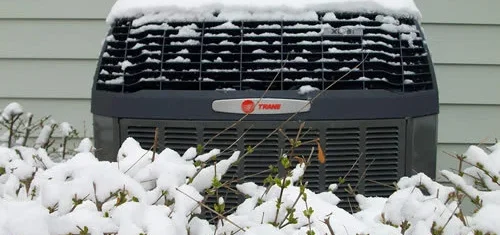
The installation itself may involve setting an outdoor unit on a stand or pad, installing indoor equipment, running refrigerant lines, connecting electrical service, integrating backup heat, and setting controls. In Ontario, outdoor placement matters because snow, drifting, roof runoff, and service access can affect performance. The unit needs clearance for air flow and should be placed where defrost water can drain safely.
Commissioning is the step homeowners should insist on. The installer should verify air flow, refrigerant charge, drainage, thermostat operation, auxiliary heat staging, and heating and cooling performance. A system that turns on is not the same as a system that is tuned well.
Comparing common options
| Option | Best fit | Main advantage | Main caution |
|---|---|---|---|
| Ducted cold climate air-source heat pump | Homes with usable forced-air ducts | Whole-home heating and cooling through existing vents | Duct condition and air flow must be verified |
| Ductless mini-split | Homes without ducts, additions, problem rooms, electric baseboard homes | Flexible zoning and efficient room-by-room comfort | Indoor head placement affects comfort and appearance |
| Hybrid heat pump and furnace | Natural gas homes or homes wanting backup fuel | Heat pump handles milder weather while furnace supports extreme cold | Controls must be set correctly to avoid unnecessary fuel use |
| Ground-source heat pump | Long-term homes with suitable site conditions | Stable performance and high efficiency potential | Higher complexity and site requirements |
This comparison is only a starting point. The right answer depends on your house, not just the equipment type.
Smart questions to ask before choosing a contractor
The contractor you choose will shape the outcome as much as the brand of equipment. Ask direct questions and expect clear answers. If a contractor cannot explain sizing, backup heat, low-temperature output, controls, and rebate documents, keep looking.
Before approving a quote, ask:
- What heating and cooling load calculation will you use?
- What share of my annual heating do you expect the heat pump to cover?
- What is the expected balance point for this home?
- Will my ducts need changes?
- How will we control backup heat?
- Is this model eligible for the rebate program I plan to use?
- What maintenance do you need to do to keep the warranty valid?
- What commissioning checks will you complete before hand-off?
The best heat pump installation should leave you with more than a working system. You should understand how to use it, when backup heat may run, how to clean filters, and who to call if performance changes.
The bottom line for Ontario homeowners
Heat pumps Ontario homeowners choose can be an excellent upgrade when the system is designed around the home’s real heating load, the local winter climate, and the homeowner’s budget. They work best when they replace costly fuels, improve cooling, or are part of a plan with insulation, sealing, and controls.
Start with the house, then choose the equipment. Get more than one detailed quote, confirm current incentives, and insist on proper sizing and commissioning. Choosing a heat pump that works well all year is key for comfort, efficiency, and long-term value.
Looking into a heat pump for your home? Contact Burlington Heating & Air Conditioning for a free on-site quote.


